

Interview Preparation Tips That Help You Get Hired
Walking into a job interview fully prepared can increase your hiring chances by up to 70%, with strategic preparation being the single most significant differentiator between candidates who receive offers and those who don’t, regardless of their qualifications or experience level.
TL;DR
- 88% of hiring managers are more likely to hire candidates who demonstrate deep company knowledge.
- Practiced candidates are 57% more likely to advance to the next interview round than improvisers.
- 75% of interviewers are negatively influenced when candidates have no questions at interview end.
Research the Company Thoroughly Before Your Interview
Employers consistently rank company knowledge as a top factor when evaluating candidates, with 88% of hiring managers saying they’re more likely to hire someone who demonstrates deep understanding of their organization’s culture, challenges, and recent developments.
Dedicate at least two hours reviewing the company’s website, annual reports, social media presence, and recent news articles to identify their mission statement, core values, major projects, and any recent achievements or challenges they’ve faced.
Go beyond surface research by finding connections on LinkedIn who currently work at the company and respectfully request a quick informational chat about the workplace culture and what makes successful employees thrive in that specific environment.
Practice Answering Common and Behavioral Interview Questions
Candidates who practice their responses to anticipated questions are 57% more likely to advance to the next interview round than those who rely on improvisation, according to a recent survey of Fortune 500 hiring managers.
Prepare concise, structured answers for standard questions like “Tell me about yourself,” “Why do you want this job,” and “What are your greatest strengths and weaknesses,” limiting each response to 90 seconds to maintain the interviewer’s engagement.
Utilize the STAR method (Situation, Task, Action, Result) when crafting responses to behavioral questions, ensuring you have at least five detailed examples of past professional challenges you’ve overcome that demonstrate skills relevant to the position.
Record yourself answering practice questions and critically review your performance, paying attention to filler words, speaking pace, body language, and whether your responses effectively highlight your qualifications without sounding rehearsed or robotic.
Prepare Thoughtful Questions to Ask the Interviewer
Approximately 75% of interviewers report being negatively influenced when candidates have no questions at the end of an interview, interpreting this as a lack of genuine interest in the role or inadequate preparation.
Develop at least seven thoughtful questions about the role, team dynamics, company challenges, and growth opportunities, prioritizing those that demonstrate your strategic thinking and genuine interest in contributing to the organization’s success.
Avoid questions solely focused on compensation, time off, or benefits during initial interviews, instead saving these important discussions for when you’ve progressed further in the hiring process or received an offer.
Master Your Professional First Impression
Research from Princeton University suggests interviewers form their initial impression within the first seven seconds of meeting a candidate, with this snap judgment significantly influencing their subsequent evaluation regardless of qualifications.
Dress one level above the company’s standard attire to demonstrate professionalism and respect for the opportunity, researching the organization’s culture beforehand to ensure your appearance aligns with their expectations while still reflecting your personal style.
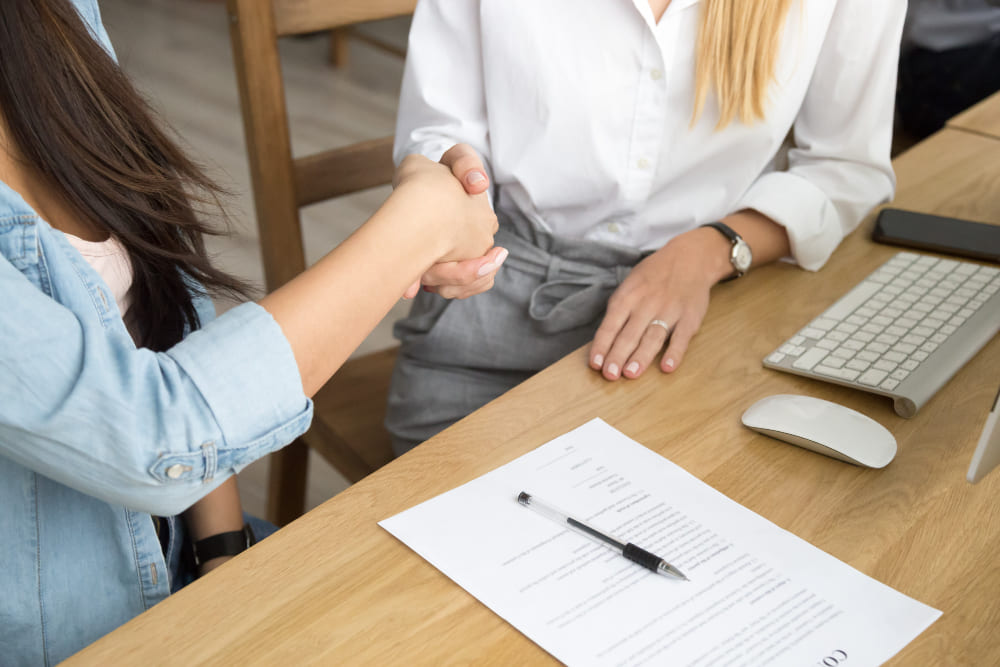
Practice a firm handshake, confident posture, appropriate eye contact, and a genuine smile during your interview preparation, as these non-verbal cues communicate competence and likability before you’ve spoken a single word about your qualifications.
Develop a Strategic Personal Branding Statement
Candidates with a clear, compelling personal brand statement are 44% more likely to receive job offers than equally qualified candidates who cannot articulate their unique value proposition concisely.
Craft a 30-second elevator pitch that clearly communicates who you are professionally, what specific expertise you bring, and how your unique combination of skills and experience makes you particularly valuable to this specific organization.
Test your personal branding statement with trusted colleagues or mentors, refining it until it authentically represents your professional identity while directly addressing the key qualifications and challenges outlined in the job description.
Leverage the STAR Method for Compelling Interview Stories
Interviewers retain stories 22 times more effectively than abstract statements about skills or qualifications, making narrative-based responses significantly more impactful and memorable during the evaluation process.
Prepare at least seven workplace anecdotes using the STAR method (Situation, Task, Action, Result) that demonstrate your problem-solving abilities, leadership qualities, teamwork skills, and technical expertise relevant to the position requirements.
Practice delivering your STAR stories naturally, ensuring each example concludes with quantifiable results or positive outcomes that directly connect to the requirements of the position you’re seeking.
Conduct Mock Interviews with Experienced Professionals
Candidates who participate in at least three mock interviews before the actual interview are 30% more likely to receive job offers than those who skip this critical preparation step.
Recruit friends, mentors, or career coaches with hiring experience to conduct realistic mock interviews, requesting honest feedback about your answers, body language, professional presentation, and areas needing improvement.
Record your mock interviews to identify unconscious habits like excessive filler words, nervous gestures, or inadequate eye contact that could undermine your professional presentation during the actual interview.
Master Virtual Interview Technologies and Etiquette
With over 86% of organizations conducting virtual interviews since 2020, technical proficiency with video platforms has become an essential skill that directly impacts hiring decisions regardless of the role’s technical requirements.
Test your equipment thoroughly at least 24 hours before a virtual interview, ensuring your camera, microphone, internet connection, and chosen platform are functioning properly in the specific location where you’ll conduct the interview.
Create a professional background environment free from distractions, with appropriate lighting that illuminates your face clearly, professional attire that translates well on camera, and positioning that frames you properly within the screen.
 Source: Pixabay
Conclusion
Effective interview preparation represents the critical difference between candidates who merely participate in interviews and those who consistently receive job offers across competitive industries and positions.
Strategic preparation encompasses company research, question practice, personal branding, storytelling techniques, professional presentation, and technical readiness – creating a comprehensive approach that builds genuine confidence that interviewers can immediately detect.
The most successful candidates treat interview preparation as a professional project deserving significant investment, recognizing that each hour spent preparing strategically can potentially yield thousands of dollars in improved compensation and career advancement opportunities.
Frequently Asked Questions
-
How early should I arrive for an in-person job interview?
Plan to arrive 10-15 minutes before your scheduled time, allowing for unexpected delays while avoiding appearing too anxiously early or creating scheduling pressure for the interviewer. -
What should I bring to a job interview?
Bring multiple copies of your resume, a professional notebook with prepared questions, a quality pen, portfolio examples if relevant, and contact information for your references. -
How should I address employment gaps during an interview?
Honestly acknowledge gaps while emphasizing productive activities during that time, such as skill development, education, volunteering, consulting work, or addressing personal circumstances that are now resolved. -
Is it appropriate to discuss salary during a first interview?
Generally avoid initiating salary discussions in first interviews unless the interviewer specifically asks, focusing instead on establishing your value and fit before negotiating compensation. -
What’s the best way to follow up after an interview?
Send a personalized thank-you email within 24 hours, referencing specific conversation points and reaffirming your interest, then follow up once after their stated decision timeline if you haven’t heard back.