

The Economic Impact of Credit and Debit Card Adoption
The transition from cash-based economies to electronic payment systems has revolutionized global commerce in ways that extend far beyond simple convenience, creating profound economic ripples that have transformed how businesses operate, consumers spend, and governments manage monetary policy in increasingly interconnected financial ecosystems.
TL;DR
- Moody’s Analytics found electronic payments contributed 0.2–0.5% additional GDP growth in developed economies 2011–2015.
- Card adoption increases average transaction values by 12–18% compared to equivalent cash purchases.
- South Korea saw a 15% increase in VAT collections after implementing policies incentivizing card usage.
The Historical Evolution of Card Payments
Credit cards first emerged in the 1950s when Diners Club introduced the concept of a multi-purpose charge card that could be used at various establishments, fundamentally changing the relationship between consumers and merchants by introducing a trusted third-party payment processor.
The technological evolution accelerated dramatically in the 1970s with the introduction of magnetic stripe technology, followed by EMV chips in the 1990s and contactless payments in the 2000s, each innovation reducing friction in transactions while simultaneously increasing security measures.
The adoption curve varied significantly across different economies, with Nordic countries and Singapore achieving near-cashless status decades before developing economies, demonstrating how cultural, infrastructural, and regulatory environments significantly impact payment technology diffusion.
Economic Growth and Increased Consumer Spending
Research consistently demonstrates that economies with higher card payment penetration experience measurable GDP growth advantages, with studies from Moody’s Analytics suggesting that electronic payment adoption contributed an additional 0.2-0.5% to GDP growth in developed economies between 2011 and 2015.
Consumer spending patterns fundamentally transform with card adoption, as psychological barriers to spending diminish when physical cash doesn’t visibly “disappear” from wallets, leading to documented increases in average transaction values of 12-18% compared to cash purchases.
The velocity of money increases substantially in card-based economies, as funds that would otherwise remain idle in physical cash form instead remain in the banking system, allowing for continuous circulation through lending, investment, and further economic activity.
Reduced Shadow Economy and Tax Revenue Impacts
Electronic payment systems create permanent transaction records that dramatically reduce opportunities for unreported economic activity, with World Bank studies suggesting that a 10% increase in card payment adoption correlates with a 5% reduction in the size of shadow economies.
Government tax revenues typically increase following widespread card adoption, as previously undocumented transactions enter the formal economy, with South Korea experiencing a 15% increase in VAT collections after implementing policies incentivizing card usage among consumers and businesses.
The formalization of previously cash-based transactions particularly impacts service industries like restaurants, personal services, and home repairs, where cash transactions historically facilitated tax avoidance, creating more equitable competition among businesses operating in these sectors.
Financial Inclusion and Banking Access
Card payment systems have become critical infrastructure for financial inclusion, allowing previously unbanked populations to access formal financial services without requiring traditional branch banking networks, particularly in regions like East Africa and Southeast Asia.
Digital payment cards serve as “on-ramps” to broader financial services, with research showing that first-time card users are subsequently 67% more likely to access savings accounts, insurance products, and credit facilities than those remaining in cash-only economies.
The gender gap in financial inclusion narrows significantly in economies with widespread card adoption, as women who face cultural or practical barriers to traditional banking gain independent access to financial services through simplified card-based accounts requiring minimal documentation.
Merchant Benefits and Business Transformation
Businesses accepting card payments typically experience 20-30% higher average sales compared to cash-only competitors, with additional benefits including reduced cash handling costs, decreased theft risk, and streamlined accounting processes that offset processing fees.
Small and medium enterprises gain disproportionate advantages from card acceptance, as payment cards level the competitive landscape by enabling them to project the same professional image and convenience as larger competitors without requiring substantial infrastructure investments.
The rich transaction data generated through card payments provides merchants unprecedented insights into consumer behavior, enabling more targeted inventory management, marketing strategies, and business optimization that was impossible in cash-based business models.
Macroeconomic Policy and Central Bank Control
Central banks gain enhanced visibility into consumer spending patterns through electronic payment data, allowing for more responsive and precise monetary policy adjustments based on near real-time economic activity rather than delayed statistical reporting.
The ability to track spending across sectors, regions, and demographic groups through card transaction data provides policymakers with granular insights that improve economic forecasting and enable more targeted interventions during economic downturns.
Electronic payment systems significantly reduce the costs associated with physical currency management, including printing, distribution, security, and replacement of damaged notes, with the Bank of England estimating annual savings of £1 billion from reduced cash handling requirements.
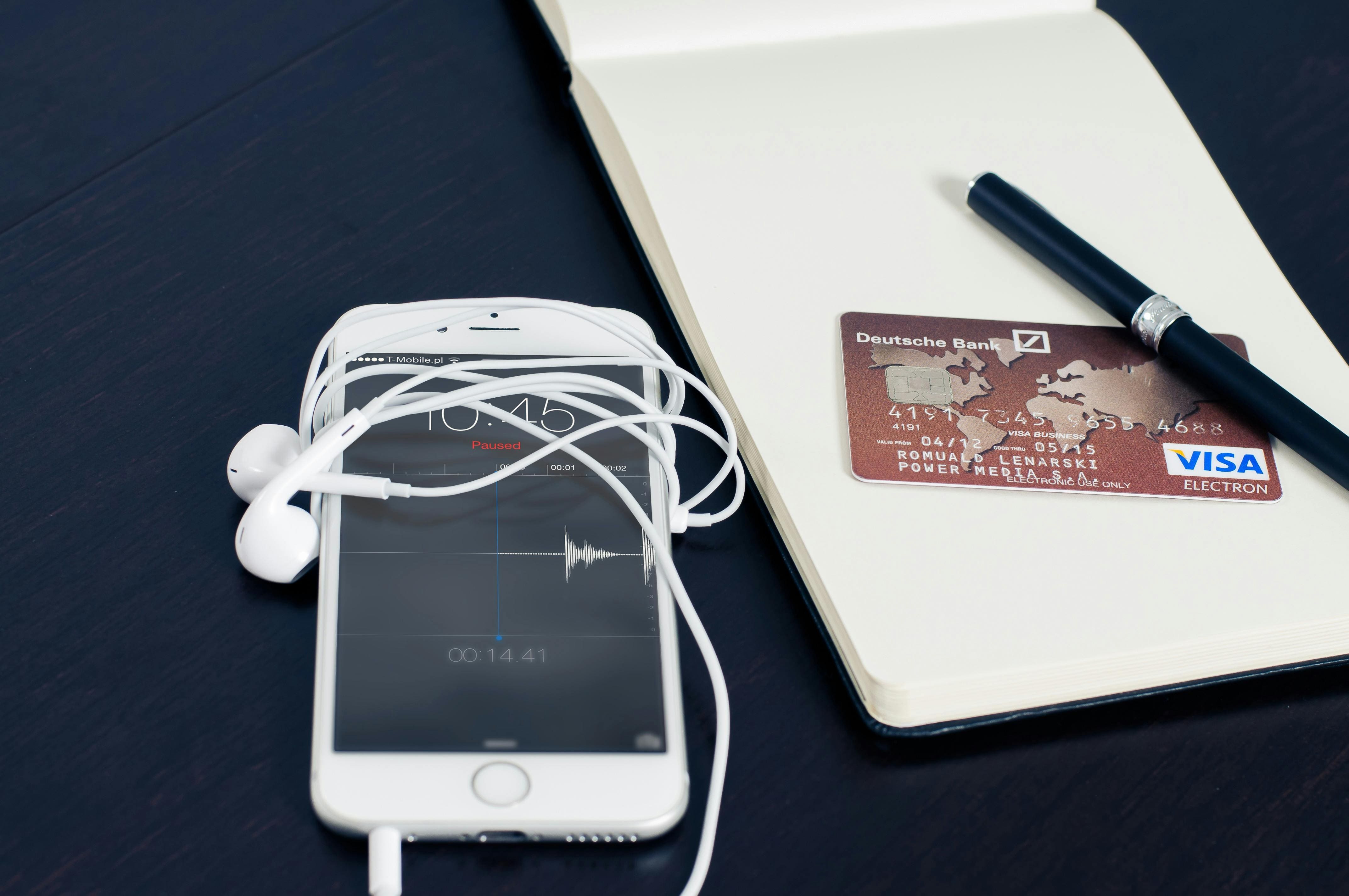 Source: Pixabay
Conclusion
The economic impact of credit and debit card adoption extends far beyond simple transaction convenience, fundamentally restructuring financial systems by increasing transparency, accelerating money velocity, and creating powerful feedback loops that stimulate consumption and investment throughout economies.
The transition to card-based payments has proven particularly transformative for developing economies, where technology leapfrogging has allowed nations to bypass decades of traditional banking infrastructure development while simultaneously reducing corruption and expanding tax bases.
As contactless payments, digital wallets, and card-based payment systems continue evolving, their economic influence will likely intensify, particularly in addressing financial inclusion challenges and enabling more sophisticated monetary policies that respond dynamically to increasingly complex global economic conditions.
Frequently Asked Questions
-
How do credit and debit cards directly impact national GDP growth?
Cards increase consumption spending, reduce transaction friction, formalize shadow economies, and accelerate money velocity—collectively adding 0.2-0.5% to annual GDP growth in most developed economies. -
Do businesses financially benefit from accepting card payments despite processing fees?
Yes, merchants typically experience 20-30% higher sales volumes, reduced cash handling costs, decreased theft risk, and valuable consumer data insights that significantly outweigh processing fee expenses. -
How have card payments affected government tax revenues?
Electronic payment adoption typically increases tax compliance by creating permanent transaction records, with some countries reporting 10-15% increases in VAT/sales tax collection following widespread card adoption policies. -
What economic advantages do developing countries gain from card payment systems?
Developing economies benefit through reduced corruption, expanded financial inclusion, decreased currency management costs, formalized economic activity, and the ability to leapfrog traditional banking infrastructure investments. -
How do card payments influence central bank monetary policy effectiveness?
Central banks gain near real-time visibility into consumer spending patterns across regions and sectors, enabling more precise, targeted, and responsive monetary policy adjustments based on actual economic activity.