

What to Pack and Prepare for Living Abroad as an Exchange Student
Preparing for life as an exchange student requires careful planning and consideration of both practical necessities and emotional readiness, with smart packing strategies being just the beginning of a comprehensive preparation process that will significantly impact your overall experience in a new country.
TL;DR
- Passport validity under 6 months past return date triggers automatic embassy rejection in most countries.
- Student visa processing requires 3–4 months lead time — starting late is the most common costly mistake.
- Wise or Revolut multi-currency accounts prevent fraud blocks abroad and cut foreign exchange fees by up to 4%.
Essential Documents and Paperwork for Exchange Students
Securing all necessary documentation should be your absolute priority before departing for your study abroad adventure, as missing paperwork can create serious complications or even prevent entry into your host country.
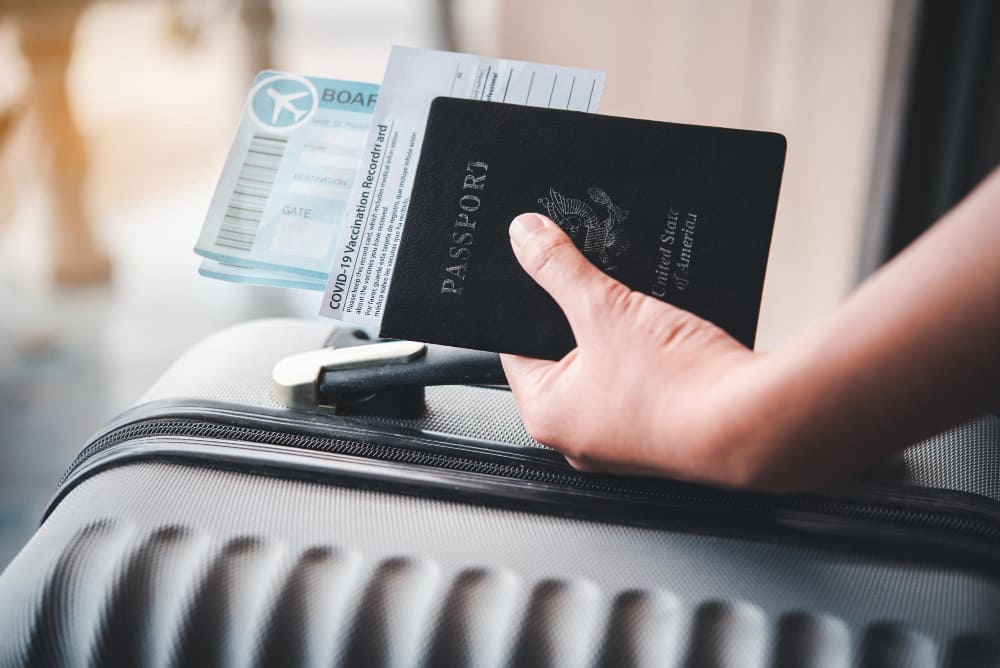
Your passport should have at least six months validity beyond your planned return date, and multiple copies of this vital document should be stored separately in case of loss or theft during your travels.
Student visa requirements vary dramatically between countries, so research specific regulations for your destination at least 3-4 months before departure to allow sufficient processing time for applications and potential interviews or biometric appointments.
Financial Preparations and Banking Considerations
Setting up proper banking arrangements before departure prevents unnecessary stress and potential financial emergencies when you’re trying to settle into your new environment abroad.
Inform your home bank about your travel plans to prevent automatic fraud blocks on your cards when they detect international transactions, which could leave you stranded without access to funds at critical moments.
Research exchange rates, local banking options, and consider obtaining a specialized international student card that offers discounted services and emergency assistance specifically designed for students studying in foreign countries.
Clothing and Personal Items to Pack Wisely
Researching typical weather patterns for all seasons you’ll experience in your host country allows you to pack appropriate clothing without overpacking, which becomes a significant burden when navigating airports and settling into potentially small accommodations.
Pack versatile clothing items that can be layered and mixed to create different outfits, prioritizing quality over quantity and including at least one formal outfit for special occasions or cultural events you may attend.
Consider the cultural norms regarding clothing in your destination country, as some regions have specific expectations about modesty, appropriate attire for educational settings, or particular dress codes for religious sites you might visit.
Technology and Communication Essentials
Ensuring your electronic devices are compatible with your destination’s voltage system and purchasing appropriate adapters prevents damaging expensive equipment and maintains your vital connection to both home and academic resources.
Research mobile phone options thoroughly, considering whether to unlock your current phone for international use, purchase a local SIM card upon arrival, or invest in an international plan that provides reasonable data access without incurring enormous roaming charges.
Back up all important documents, photos, and academic materials to cloud storage before departure, providing access to essential information even if your devices are lost, damaged, or stolen during your time abroad.
Health Preparations and Medical Considerations
Schedule a comprehensive medical check-up at least two months before departure to address any existing conditions, receive necessary vaccinations specific to your destination country, and obtain sufficient prescription medications for your entire stay.
Purchase comprehensive international student health insurance that covers emergency medical evacuation, mental health services, and routine care in your host country, as domestic insurance plans typically provide minimal or no coverage abroad.
Create a portable medical information card in both English and the local language detailing your blood type, allergies, chronic conditions, and emergency contact information to facilitate appropriate care in situations where you cannot effectively communicate.
Cultural Adaptation and Language Preparation
Investing time in learning basic phrases in your host country’s language demonstrates respect for the local culture and significantly enhances your ability to navigate daily situations from public transportation to grocery shopping during your initial adjustment period.
Research cultural norms, taboos, and appropriate behaviors in your destination country to avoid unintentional offense and facilitate smoother integration into your new community from the moment you arrive.
Connect with current or former exchange students who have studied in your destination country through university networks or social media groups to gain practical, first-hand insights about daily life that guidebooks and official resources might not cover.
 Source: Pixabay
Conclusion
Thorough preparation for your exchange student experience creates a foundation for success that extends far beyond simply having the right items in your suitcase or backpack.
The effort invested in researching your destination, understanding cultural nuances, and preparing practically for daily life abroad significantly reduces initial adjustment stress and allows you to more quickly immerse yourself in the transformative educational and personal growth opportunities.
Remember that flexibility and openness to new experiences remain your most valuable assets as an exchange student, as even the most comprehensive preparation cannot anticipate every challenge or opportunity that will arise during this life-changing international adventure.
Frequently Asked Questions
-
How many months before departure should I begin preparing for my exchange student program abroad?
Start preparations at least 6-8 months before departure to allow sufficient time for visa processing, vaccination schedules, and thorough research about your destination. -
What financial arrangements should I make before studying abroad as an exchange student?
Establish a budget, inform your home bank about travel plans, research local banking options, and consider obtaining a specialized international student card with emergency assistance features. -
How can I prepare for potential culture shock when living abroad as an exchange student?
Research your host country’s customs, connect with former exchange students, learn basic language phrases, and maintain a flexible mindset that embraces differences rather than judging them. -
What health precautions should exchange students take before studying abroad?
Schedule a comprehensive medical check-up, obtain necessary vaccinations, secure international health insurance, and create a medical information card in both English and the local language. -
What technology items are essential for exchange students living abroad?
Pack voltage-appropriate chargers and adapters, a reliable laptop, smartphone with international capabilities, portable battery packs, and ensure cloud backup of all important documents and academic materials.